What is the Market-Wide Half-Hourly Settlement (MHHS)?

The Market-wide Half-Hourly Settlement (MHHS) initiative will transform how electricity consumption is measured, with the migration phase beginning in September 2025. 

As one of the most significant changes to electricity recording and settlement, MHHS aims to create a more efficient, transparent, and cost-effective energy system. 

But what does this mean for businesses, and why does it matter?

Understanding Market-Wide Half-Hourly Settlement (MHHS)

The Ofgem-led reform mandates that all electricity consumers, including businesses, move to a system where their energy usage is recorded and settled on a half-hourly basis. 

This shift is expected to deliver substantial benefits, with Ofgem projecting net gains of £1.6bn to £4.5bn by 2045. 

More accurate consumption data will enable suppliers to better manage costs, streamline settlement processes, and develop innovative offerings such as time-of-use tariffs, vehicle-to-grid solutions, and battery storage. 

These advancements encourage smarter energy use, helping consumers reduce waste and lower their bills.

Currently, only large energy consumers with half-hourly meters are settled in this way, while smaller businesses and households rely on estimated or profiled consumption data. 

MHHS will change this by ensuring that every business and household with a smart meter has their energy usage settled using actual half-hourly data.

Beyond direct cost savings, MHHS will improve visibility of energy consumption, empowering businesses and households to make informed decisions. 

It will also optimise the use of existing infrastructure, reducing the need for future energy generation and network investment. 

In doing so, MHHS plays a crucial role in supporting the UK’s transition to Net Zero, benefiting consumers, suppliers, and society as a whole.

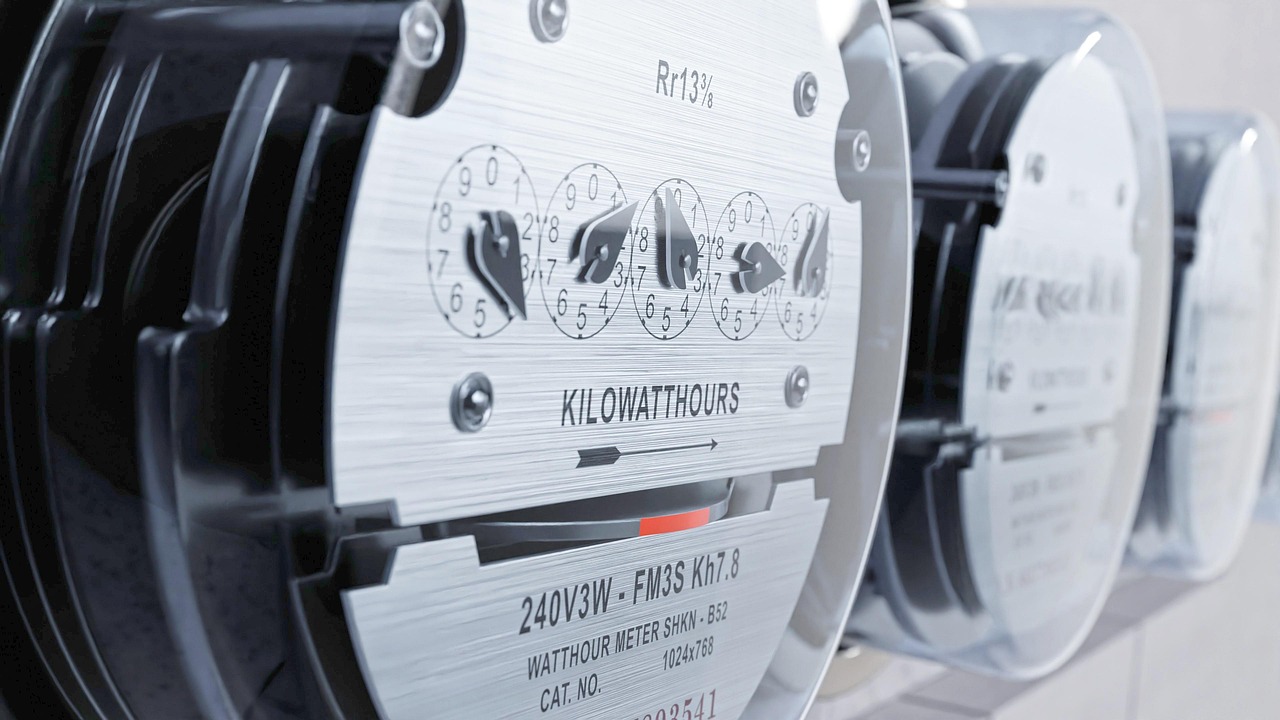
Close-up of electricity meters showing detailed readings for MHHS data collection.

How is Half-Hourly Metering Currently Used?

Half-hourly (HH) metering is primarily used by large businesses and industrial consumers with high electricity demands. 

These meters automatically record energy usage every 30 minutes and transmit the data to suppliers, ensuring accurate billing and settlement. 

This real-time monitoring helps businesses optimise energy use, manage costs effectively, and participate in demand-side response programmes.

In the UK, HH meters are mandatory for businesses with a Maximum Demand of 100 kW or more in any half-hour period. 

Sites with a Profile Class of 00 or 05-08 are required to have an HH meter under the Balancing and Settlement Code (BSC). 

Smaller businesses with a Maximum Demand of 70 kW or more can opt for HH metering to gain better visibility into their energy consumption.

Historically, smaller businesses and residential consumers have relied on billing based on profiled consumption. However, Market-wide Half-Hourly Settlement (MHHS) aims to replace this with real-time data. 

This transition, enabled by the widespread rollout of smart meters, is set to create fairer pricing structures, encourage more efficient energy use, and support a smarter, low-carbon energy system.

In preparation for MHHS, Elexon has raised the P434 modification, which means that all non-half hourly unmetered supplies (UMS) must move to Half Hourly (HH) settlement.

New meters will not be required, however a Meter Administrator (MA) must be appointed to calculate HH profiles. The deadline for unmetered supplies to move to HH settlement is September 2025.

Why Does MHHS Matter for Businesses?

The implementation of MHHS will have far-reaching impacts on businesses, from energy procurement strategies to cost management and sustainability initiatives. 

Here’s why businesses should be paying attention:

1. More Accurate and Fairer Energy Costs

With real-time half-hourly data, businesses will be charged based on their actual consumption patterns rather than estimated usage profiles. This creates a fairer and more transparent system, where businesses that use energy efficiently can benefit from lower costs.

2. Opportunities to Optimise Energy Consumption

With greater visibility into when and how energy is used, businesses can adjust operations to take advantage of off-peak rates and demand-side response initiatives. This can lead to significant cost savings, especially for energy-intensive industries.

3. Enhanced Energy Procurement Strategies

Half-hourly settlement allows for more competitive and flexible energy pricing. Businesses will have more opportunities to explore time-of-use tariffs, flexible purchasing options, and bespoke energy contracts that align with their consumption habits.

4. Supporting Net-Zero and Sustainability Goals

As the UK moves towards a net-zero future, MHHS plays a critical role in enabling a smarter, greener grid. By incentivising energy efficiency and reducing reliance on fossil fuels during peak times, businesses can align their sustainability strategies with regulatory goals while reducing costs.

5. Reducing Imbalances and Improving Market Efficiency

Currently, energy suppliers factor in potential imbalances due to estimated usage when setting prices. With MHHS, the need for these estimations is reduced, making the entire system more efficient and potentially lowering overall energy prices.

How Can Businesses Prepare for MHHS?

With MHHS set to roll out over the next couple of years, businesses should start preparing now to maximise the benefits and avoid potential disruptions. 

Here’s how:

  • Upgrade to Smart Metering – Ensure your business has the necessary metering infrastructure in place to capture half-hourly data.
  • Analyse Energy Usage Patterns – Use energy monitoring tools to understand how and when your business consumes electricity to identify cost-saving opportunities.
  • Engage with an Energy Consultancy – Partnering with an expert energy consultant like EIC Partnership can help businesses navigate the transition, optimise procurement, and unlock savings.

The Future of Energy Settlements

Market-Wide Half-Hourly Settlement represents a major step towards a more intelligent, sustainable, and cost-effective energy system. 

Businesses that take proactive steps now will be well-positioned to benefit from fairer pricing, greater control over energy costs, and opportunities to participate in a smarter energy market.

At EIC Partnership, we help businesses stay ahead of regulatory changes and optimise their energy strategies. 

Get in touch with our experts today to find out how we can support your transition to MHHS and beyond.